








Add to cart
Your cart is empty
Looks like you haven’t added any items to the bag yet.
Start shopping to fill it in.
Among cigar connoisseurs, Cuban cigars have long been associated with heritage, craftsmanship and a distinctive culture of enjoyment. The value of each cigar comes not only from its tobacco, but also from terroir, climate, seed variety and generations of accumulated expertise.
For beginners, choosing an authentic Cuban cigar that matches personal taste is the first step toward understanding the world of Habanos. For experienced smokers, it becomes a deeper journey into strength, flavor structure and the individual identity of each brand.
When discussing authentic Cuban cigars, “Habanos” is an important term to understand. It refers to cigars produced in Cuba under strict standards covering growing regions, tobacco selection and hand-rolling.
The leaves used to make Habanos come from specific growing regions in Cuba, where soil, climate and native tobacco varieties combine to shape the distinctive character of Cuban cigars.
D.O.P. (Denominación de Origen Protegida – Protected Designation of Origin) as an important sign of Habanos provenance. The identity of a Habanos cigar is shaped by the combination of terroir, climate, Tabaco Negro Cubano and the skill of Cuban tobacco growers and cigar rollers.
Exploring Habanos is also a journey into personal preference. Rather than choosing by brand alone, smokers can consider strength, flavor families, cigar size and the desired length of the smoking experience.
Strength can be understood as the overall perception of intensity and structure during the smoking experience. Three broad groups can be used as a reference:
Light-bodied: Suitable for beginners or those who prefer a softer profile. Commonly associated notes include floral tones, cream and cedar.
Medium-bodied: More balanced in structure, often showing wood, coffee, cocoa and gentle sweetness.
Full-bodied: Better suited to experienced smokers accustomed to greater intensity, with profiles often associated with earth, leather, black pepper and spice.
Beyond strength, flavor is what makes each cigar experience personal. Common descriptors used for Habanos cigars include:
Earthy: Suggestive of damp earth, minerals or mushroom-like nuances.
Woody: Frequently associated with cedar or oak-like tones.
Spicy: Notes that may evoke black pepper, cinnamon or nutmeg.
Sweet: Nuances such as cocoa, honey or licorice.
Nutty: Associations with almonds, walnuts or roasted nuts.
Beginners may consider brands with light-to-medium profiles such as Hoyo de Monterrey or H. Upmann. These options can help new smokers become familiar with cigar structure, aroma and how flavors evolve throughout the smoking experience.
The Habanos portfolio includes many brands with different histories, styles and identities. Understanding these broad groups can help guide exploration before moving into specific lines and vitolas.
Cohiba: One of the most iconic names in Habanos, often associated with complexity, refinement and distinctive tobacco processing.
Montecristo: Known for a balanced style, often described with coffee and cocoa notes and a medium-to-full profile.
Romeo y Julieta: Recognized for an aromatic, balanced and layered style, often suited to those who enjoy a harmonious medium-bodied experience.
Partagás: Known for a rich, powerful and deep character, often associated with earthy and spicy notes.
H. Upmann: Typically lighter to medium in profile, elegant and approachable; frequently mentioned as a suitable entry point for those discovering Habanos.
Trinidad: Known for complexity, a medium profile and distinctive visual details on certain vitolas.
Bolívar: Recognized for a fuller, more powerful style and generally better suited to smokers already familiar with higher-intensity profiles.
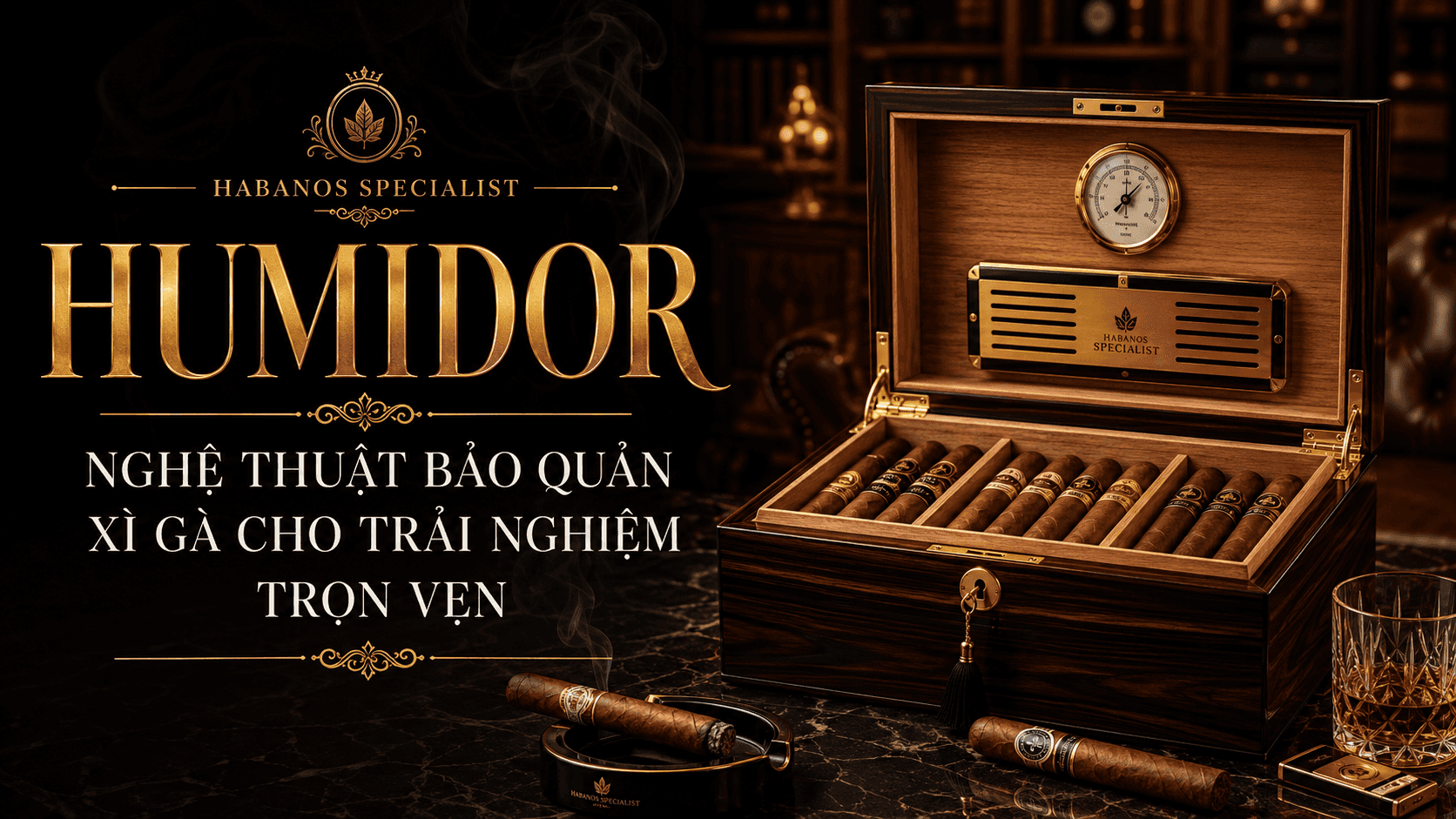
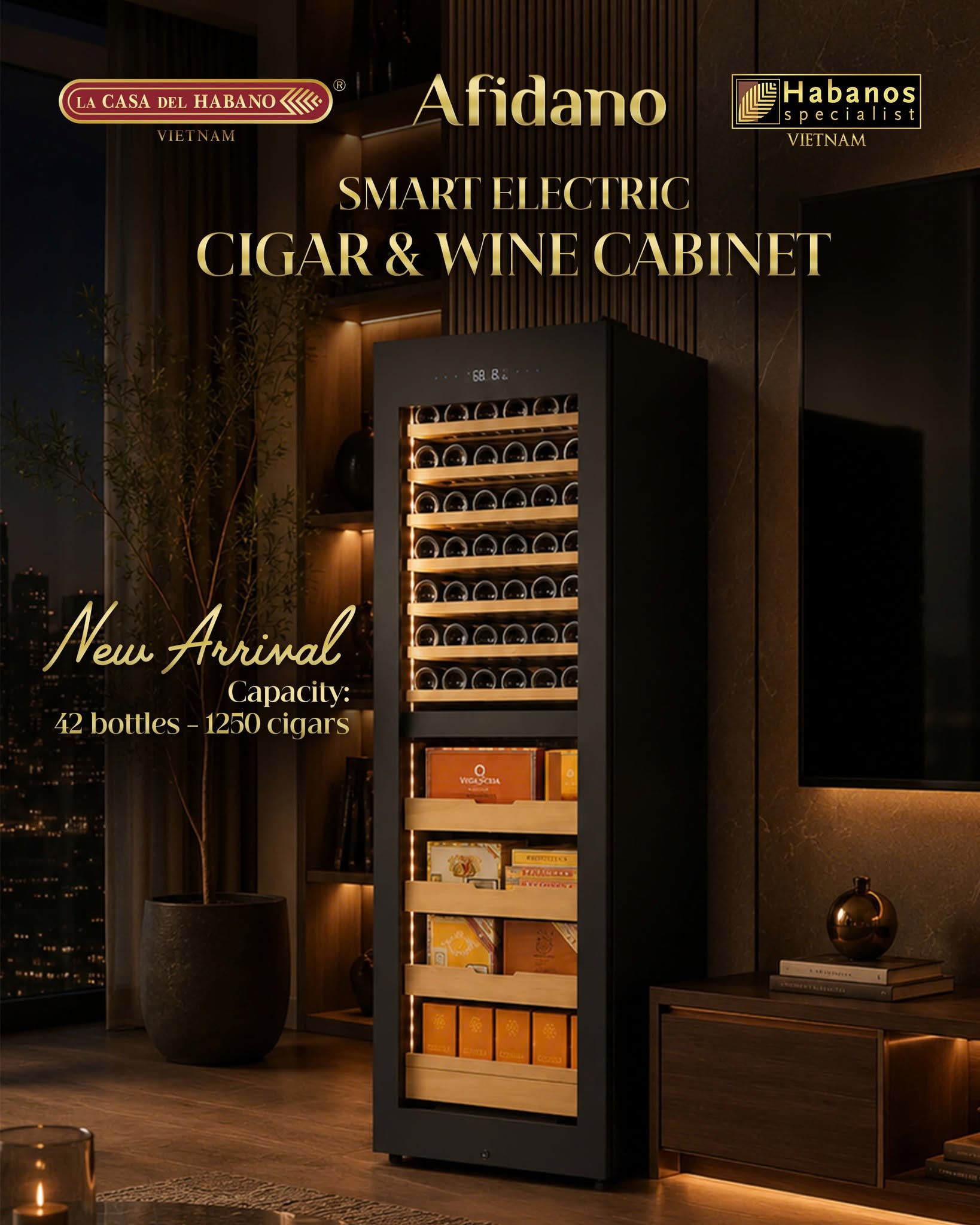
Cigars are highly sensitive to their environment. Cuban cigars should be kept under stable humidity conditions, typically around 68–72%, in order to maintain their structure and condition.
A professional cigar retailer should therefore maintain an appropriate humidor system so cigars remain properly stored before reaching the smoker.
The world of Habanos is broad. Speaking with an experienced advisor can help identify preferred flavor profiles, desired strength, smoking duration and occasion, making it easier to select a suitable cigar.
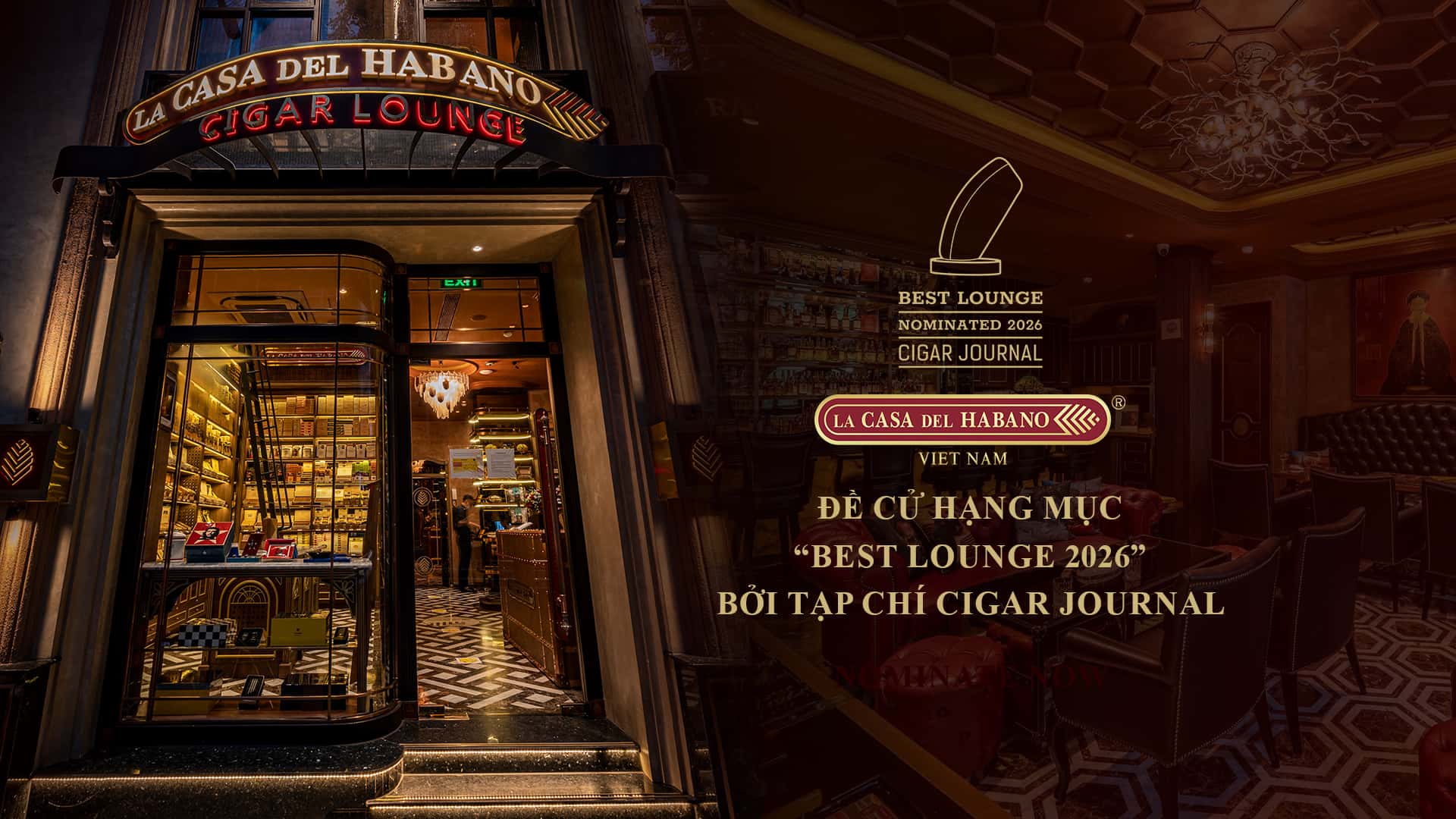
A Habanos specialist store is more than a place to display cigars. It can also be a setting for learning about brand history, proper storage, cutting and lighting techniques, and the culture surrounding Cuban cigar enjoyment.
The most reliable approach is to purchase from an authorized distributor or retailer. Buyers can also inspect the Cuban government warranty seal on the box, the print quality of packaging and cigar bands, and the overall craftsmanship of the product.
Their character comes from the combination of Cuba’s growing regions, soil and climate, Tabaco Negro Cubano and the experience of tobacco growers and cigar rollers. Together, these factors shape the distinctive style associated with Habanos.
For home storage, use a suitable humidor and maintain stable humidity within the recommended range. Avoid direct sunlight and locations where temperature or humidity changes abruptly.